

What is online privacy? It’s essentially the ability to control how your personal data is shared, used, and stored when you use the internet.
What is Online Privacy really about? (Without the Technical Jargon)
Online privacy is, at its core, the right to control what information about you gets shared online and how it’s used. Every time you browse the internet, you leave behind tiny traces of data — like digital footsteps — that together reveal a lot about who you are. Sometimes you willingly provide that information, like when signing up for a newsletter or creating an account. Other times, websites collect data about you silently, without you having to click anything or enter any details.
Think of privacy in real life: you don’t mind someone knowing your name or that you enjoy coffee. But you would mind someone following you everywhere, peeking into your shopping bags, reading your diary, or listening to private conversations. Online privacy is that invisible personal boundary in the digital world — protecting your identity, your habits, and your personal life from being overly exposed.
Your Personal Data is More Valuable Than You Think
A common misconception is: “I’ve got nothing to hide, so why should I care?”
You might not think your browsing history or everyday online behavior matters — but to companies, it absolutely does. Even small pieces of digital behavior, when stitched together, reveal a surprisingly rich portrait of who you are.
Looking at your search patterns, reading habits, purchase history, and browsing frequency can indicate your age, financial situation, preferences, personality traits, lifestyle choices, and even emotional states. For example, someone researching antidepressants, stress relief methods, or job-change opportunities quietly signals personal vulnerabilities or upcoming life changes. To advertisers, that level of profiling is extremely valuable because it allows them not only to sell you things but to influence what you want to buy.
You’re not just a user online — you’re a data source. Your clicks, your interests, your time spent on specific content — they all become assets in the modern digital economy. Privacy tools and anonymous networks are becoming more important, especially when understanding what the dark web really is.
Why Companies Collect Information about You
Businesses don’t gather data simply because it’s interesting — they collect it because it increases profit. The better they understand you, the easier it is to predict your behavior and push you toward certain purchases or content. Targeted ads are just one layer of it. Companies also use data to adjust pricing, test psychological triggers, refine algorithms, and evaluate demand trends.
This is why products you glanced at once tend to “follow you” around the internet for days. Why certain topics appear in your feed at exactly the right time. Why some ads feel almost eerily personal. That’s not a coincidence — it’s the result of machine-learning models built using your data.
The Silent Trade of Digital Profiles
Perhaps the most unsettling part is that your personal data doesn’t remain with a single company. It often gets bundled, analyzed, and passed along to third parties — sometimes even sold as part of massive datasets. Many people don’t realize that data broker companies exist solely to collect and trade personal information. And these firms know things about you that even your closest friends likely don’t.
This process typically happens quietly and without any conscious permission from you. You rarely see it, you rarely approve it, and you never receive compensation for it — yet your data is treated as a monetizable commodity.
Online privacy is about reclaiming some of that control — ensuring that your digital life isn’t being silently exploited in ways you’re not aware of.
What Information You’re Actually Giving Away Online
Online privacy isn’t only about what companies deliberately ask from you — a large portion of your digital identity is revealed through actions you don’t even realize are traceable. The internet is designed in a way that every interaction, every click, every visit leaves a data mark. Some of this disclosure is direct and voluntary, while other parts are quietly captured in the background through automated tracking.
Over time, these fragments of information accumulate, shaping a profile of who you are — sometimes more accurately than even you might describe yourself. Let’s break this down in a simple, human-centered way.
Data You Share Willingly (registration, email, accounts)
This is the type of information you intentionally hand over — often without thinking much about it. Whenever you create an online account, join a mailing list, or download an app, you provide details such as your name, email address, birthday, phone number, or even home address. You might also submit personal preferences — like favorite content categories, liked pages, or customized settings.
At that moment, it feels harmless. You’re just signing up for Netflix, or ordering something from Amazon, or registering on a forum. But these small inputs slowly build the foundation of your digital identity. The services you use begin to understand your habits, interests, and priorities. This deliberate sharing is the most visible layer of your data footprint — but it’s only the beginning.
Data Collected Without You Noticing (tracking, cookies, pixels)
Here’s where things move behind the scenes.
You don’t need to log in.
You don’t need to type your name.
You don’t even need to click anything specific.
Just visiting a website is enough.
Cookies, tracking scripts, and invisible pixels monitor your behavior:
- how long you stayed on a page
- which links you clicked
- what you hovered your mouse over
- where you came from
- where you go next
- and how you move through the site
This happens quietly, automatically, and constantly. It’s like walking through a shopping mall and having every step measured, every glance recorded, and every hesitation analyzed — all without a security guard ever needing to tap you on the shoulder.
Most users don’t realize that thousands of websites install trackers from advertising networks like Meta, Google, TikTok, and dozens of third-party analytics firms. This creates massive cross-platform profiles of your activity — not limited to any single site or app.
What Your Browser and Device Quietly Reveal about You
Even without cookies or account logins, your device and browser themselves are “speaking” on your behalf.
Your browser reveals:
- language settings
- time zone
- fonts installed
- extension list
- screen size
- browser version
- operating system
- device model
This combination of details forms a unique browser fingerprint — almost like a digital DNA that can identify you more reliably than a username or email.
Your IP address can reveal your approximate location, likely your internet service provider, and sometimes even your general neighborhood or workplace region. Your device might also reveal data about battery status, motion sensors, mobile orientation, hardware specifications, and more — all of which contribute to identifying you even when you’re not logged in anywhere.
In other words, you may think you’re browsing “privately,” but your device is constantly leaving identifiable hints about who you are and where you are.
WHO WANTS YOUR DATA — AND WHY
Tech Companies and Advertisers
Big tech platforms — like Google, Meta, TikTok, Amazon, and others — collect your data primarily to understand your interests and predict your behavior. The more they know about you, the better they can tailor content and advertising to match your preferences. That’s why an ad for something you casually searched once ends up following you around online. They’re not just selling you products — they’re selling access to your attention. And your attention is valuable. Their entire business model is built on gathering as much behavioral data as possible so they can profit from precise, personalized advertising and user engagement.
Data Brokers and Analytics Firms
This is the layer of the data economy that operates mostly out of public awareness. Data brokers don’t just collect information — they buy it, merge it, categorize it, and resell it in bulk. They handle massive datasets that link your online activity, purchase history, demographic information, and even inferred psychological traits. Their clients may include marketers, lenders, insurance companies, and political organizations. You’ve likely never heard of these firms, but they may have thousands of data points attached to your profile — often without your explicit consent or knowledge.
Hackers and Cyber-Criminals
Unlike tech companies or data brokers, cyber-criminals want your data for direct exploitation. Stolen personal information can be used to break into accounts, steal identities, open fraudulent financial accounts, or extort victims. Even seemingly harmless data can become dangerous when combined with other leaked details — like a phone number plus a birthday plus an email. Hackers are opportunistic: they don’t need to know you personally; they just need enough verified data to impersonate you online or profit from your identity. In their hands, your private information becomes a weapon rather than a commercial asset.
THE Real-Life Risk Of Losing Your Online Privacy
Identity Theft and Impersonation
When too much of your personal information ends up online — whether through leaks, breaches, or careless sharing — it becomes possible for someone to pretend to be you. With just a few key data points like full name, birthday, address, and phone number, a criminal can open accounts, apply for services, or access financial platforms under your identity. This can lead to charges made in your name, fraudulent credit activity, and long-term damage that’s incredibly painful to undo. Once stolen, identity can’t be “reset” the way a password can — and restoring control often involves legal obstacles and long verification processes.
Targeted ads are turning into Digital Manipulation
Most ads start harmlessly, simply suggesting products or services you might like. But when personalization becomes too specific, advertising turns into persuasion — and sometimes manipulation. Algorithms can predict when you’re stressed, when you’re lonely, when you’re curious, or when you’re vulnerable. In those moments, certain messages become more influential. This isn’t just about shopping — it can subtly shape political views, emotional responses, and even decision-making patterns. Over time, it becomes less about you choosing what you want to see, and more about the digital world deciding what you should see.
Unauthorized Access to Accounts or Digital Footprints
If someone gains access to your emails, social accounts, or cloud storage, they’re not just entering a profile — they’re stepping into your past. Private messages, photos, documents, browsing history — all reveal personal context that can be exploited. Unauthorized access can lead to harassment, blackmail, reputation damage, or exposure of private aspects of your life. Even small breaches, like a compromised streaming account or gaming account, are often stepping stones to larger intrusions. The moment privacy is gone, control is gone — and regaining that control can be far more difficult than people expect.
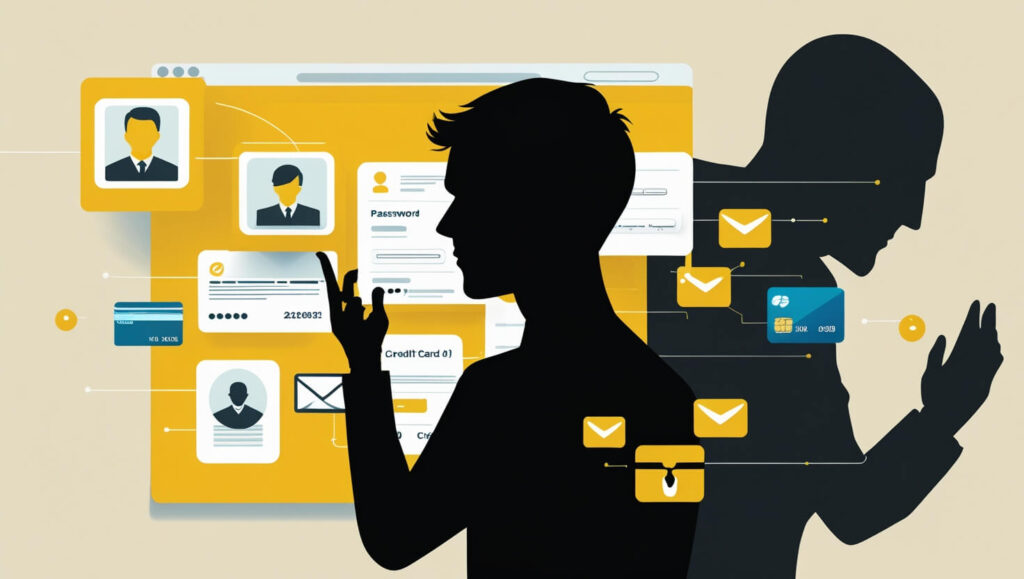
How Much Privacy Do You Really Have? (Spoiler: Not Much)
The Myth of “I have Nothing to Hide.”
Many people believe that privacy is only important for those who are doing something wrong. They think: “I don’t commit crimes, so who cares if someone tracks me?” But privacy isn’t about hiding — it’s about autonomy. Even if you have nothing to hide, you still likely don’t want strangers reading your private messages, monitoring your medical searches, or knowing your financial habits. We instinctively close bathroom doors and avoid telling personal details to random people on the street — even though we’re not guilty of anything.
Privacy protects dignity, boundaries, and choice. Saying “I have nothing to hide” is like saying “I don’t care about free speech because I’m not planning to speak.” You might not need it urgently — until suddenly you do.
How Tiny Data Points Build a Deep Personal Profile
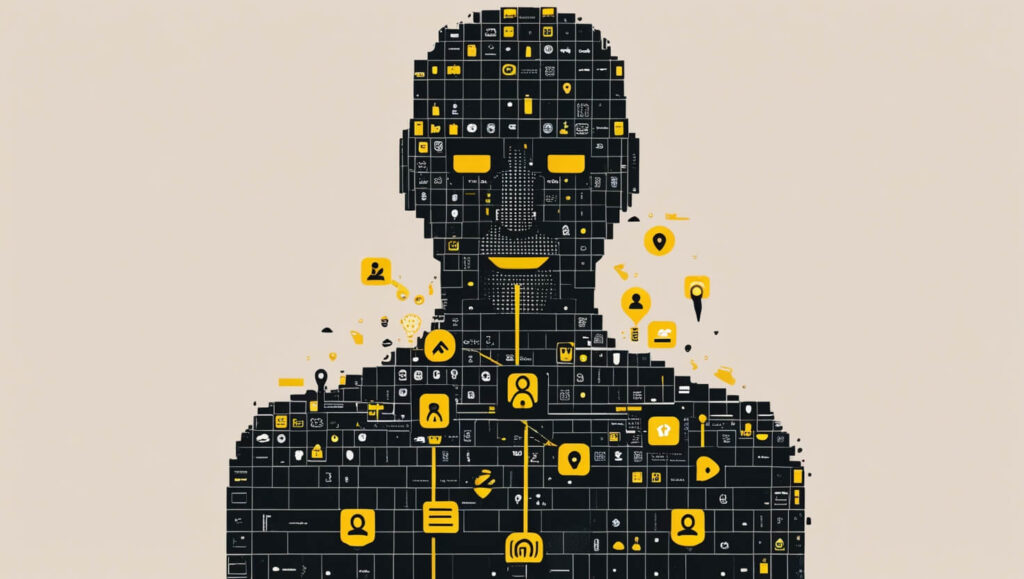
Your digital identity isn’t built from one big disclosure — it’s constructed from countless tiny fragments. One website learns you like sports. Another sees you shop for high-protein foods. A third detects late-night browsing. A fourth sees you searching for health symptoms. Alone, these details seem trivial. Combined, they can reveal your lifestyle, routines, emotional states, financial patterns, and even mental health indicators. Algorithms don’t need your full name to know who you are — they recognize your behavior signature. The result is a deeply detailed digital reflection of you, often more objective than your own self-perception. That’s the modern privacy reality: you don’t need to willingly expose yourself — your patterns expose you.
Practical Steps to Protect Your Online Privacy (Easy for Anyone)
Use a Privacy-Focused Browser
Most mainstream browsers collect data to improve personalization and advertising — even when they claim to be private. A privacy-focused browser like Firefox, Brave, or Tor is built with user protection as the priority. They automatically limit tracking, restrict data collection, and offer stronger controls over what sites can access. Switching browsers is one of the simplest and fastest ways to instantly reduce your digital trace without changing your habits. You browse the same way — but with more protection. Organizations like the EFF publish resources such as the EFF’s guide to online privacy, which can help you better understand how your data is used and how to protect it.
Block Third-Party Trackers and Cookies
Even if you stick with your current browser, installing privacy extensions can significantly reduce the amount of data collected about you. Tools like uBlock Origin, Privacy Badger, and Ghostery block invisible trackers that follow you across websites and record your behavior. This not only stops sites from building marketing profiles about you — it often makes page beginner-friendly VPN basics guides load faster and reduces clutter from behavioral ads.
With just a few plugin installations, you reclaim a big portion of control over who can observe your browsing activity. Tools like uBlock Origin and Privacy Badger help reduce tracking, and if you want even simpler adjustments you can make daily, here are some practical privacy tips and habits you can start applying immediately.
Learn to Manage App Permissions
Many apps ask for permissions they don’t actually need — like a flashlight app requesting access to your contacts, or a wallpaper app wanting your location. Most people simply tap “Allow” without thinking about it. Reviewing your app permissions is a simple habit that dramatically improves privacy. Strip away access to your microphone, camera, contacts, files, and location unless it’s absolutely necessary. If an app refuses to work without unrelated permissions, it’s usually a red flag. You don’t owe apps unrestricted access to your device — be selective.
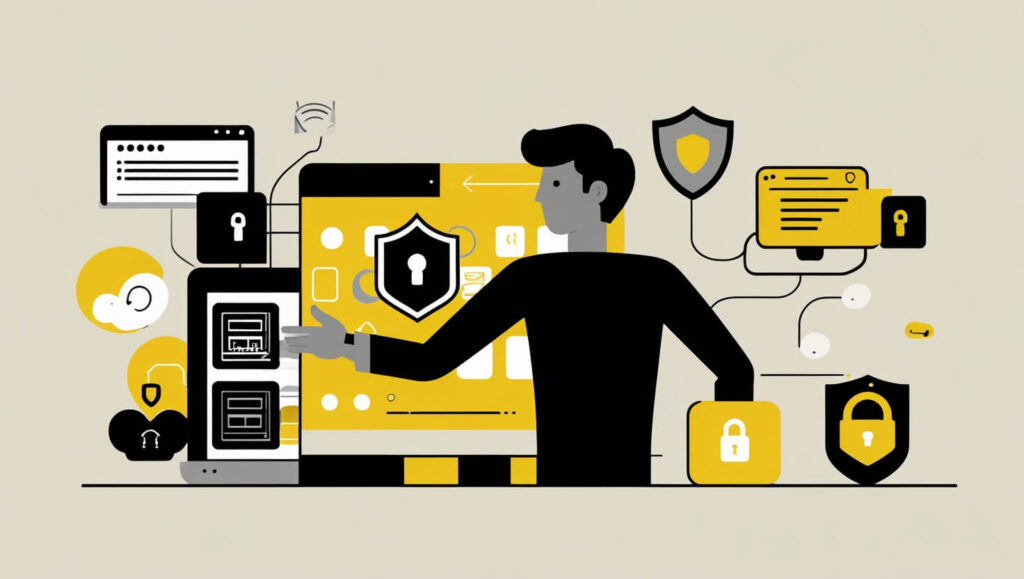
Use Strong Passwords and Two-Factor Authentication
Weak or reused passwords are still one of the biggest security vulnerabilities. A strong password should be long, unique, and not tied to personal info like names or birthdays. Better yet, use a password manager to generate and store complex passphrases you don’t need to memorize. Enabling two-factor authentication adds layer — even if someone gets your password, they still can’t access your account without the second verification step. It’s a tiny inconvenience that prevents massive headaches.
Consider Using VPNs and Privacy Tools
A VPN hides your real IP address and encrypts your internet traffic, making it harder for websites, networks, and even your ISP to track your online activity. While a VPN isn’t magic invisibility, it does provide a valuable layer of anonymity. Pairing it with privacy tools like tracker blockers, encrypted messaging apps, or secure email services helps create a more controlled and private online presence. The goal isn’t to vanish — but to reduce how much of your behavior can be logged, profiled, and exploited. If you’re new to VPNs and want to understand how they actually work, our beginner-friendly VPN basics guide explains it in simple terms and helps you choose the right option for your needs.
What Not To Do – Common Mistakes People Make Online
Reusing the Same Password Everywhere
Using one password for multiple accounts means that if a single service gets compromised, everything becomes vulnerable. A leak from one site can turn into a domino effect, giving attackers access to your email, social accounts, financial platforms, and more. Treat passwords like keys — you wouldn’t use one key for your house, your car, your office, and your bank locker.
Logging into Random Wi-Fi Networks
Public Wi-Fi in cafés, airports, buses, or hotels can be risky because you don’t control the network. Attackers can intercept traffic or create fake Wi-Fi hotspots to capture login credentials and private data. If you must use public Wi-Fi, avoid logging into sensitive accounts — or use a VPN for protection.
Trusting Every Website with Personal Information
Not every site deserves your real email, phone number, or date of birth. Some platforms collect more data than they need, and others may have weak protection or questionable motives. Before entering personal information, consider whether the website is reputable, secure (HTTPS), and genuinely requires that data for its function.
Does Privacy Equal Security? (Not Exactly)
Privacy Protects Identity
Privacy is about controlling what others know about you — your personal habits, interests, background, and digital footprint. When privacy is strong, you prevent others from forming detailed profiles of who you are. It’s about protecting your identity, your private life, and your personal boundaries online.
Security Protects Access
Security is the barrier that stops unauthorized users from entering your accounts or systems. It includes passwords, encryption, authentication, and protective technologies. Good security prevents break-ins — both digital and physical — regardless of how much data is known about you.
Why Both are Required Today
Privacy alone can’t stop hackers, and security alone won’t prevent companies from profiling you or selling your data. In today’s digital world, you need both: privacy to minimize exposure of personal information, and security to block direct intrusions into your digital accounts and identity.
The Future of Online Privacy — Are Things Getting Better or Worse?
Governments are Increasing Digital Monitoring
Many governments around the world are expanding surveillance powers — sometimes for national security, sometimes in the name of safety or public order. From tracking online activity to scanning communication metadata, state-level monitoring is becoming more technologically advanced. Even democracies are adopting policies that increase oversight of digital behavior. This means the expectation of “private online life” is shrinking, not expanding.
Tech Companies Collecting More Behavioral Data
It’s no longer just about what you like — it’s about why you like it. Companies aren’t only capturing clicks and views; they’re analyzing pauses, scrolling habits, emotional reactions, and micro-behaviors. AI and machine learning allow platforms to predict your next action with surprising accuracy. The more time we spend online, the more refined these personal behavioral models become.
The Rise of GDPR, Privacy Laws, and User Rights
There is some positive movement: regions like the EU have implemented strong privacy rules such as GDPR, giving users more control over their data. Some countries now require companies to disclose data use, allow opt-outs, or delete personal information upon request. While laws aren’t perfect — and enforcement is slow — awareness around digital rights is growing, and more people are starting to demand transparency and protection online. Europe took a major step forward with the Choose Tools and Platforms, giving people legal rights over their digital data.
Final Thought: Privacy Isn’t about Hiding – It’s about Control
You Deserve to Control Your Digital Identity
Your online identity belongs to you — not to advertisers, corporations, or silent data collectors. Privacy means choosing what parts of your life are shared and what parts remain personal. It’s the ability to decide how you’re seen online, rather than being defined solely by algorithms and data signals.
Choose Tools and Platforms That Respect Your Privacy
Not all services treat your information the same way. Some platforms are built around selling your data, while others prioritize user trust and transparency. Choosing tools with strong privacy principles — even if they’re less mainstream — helps shift the digital landscape toward respecting personal boundaries and minimizing exploitation. Some companies, such as those behind Mozilla’s privacy principles, emphasize user-first design and avoid exploiting personalUse a Privacy-Focused Browser data.